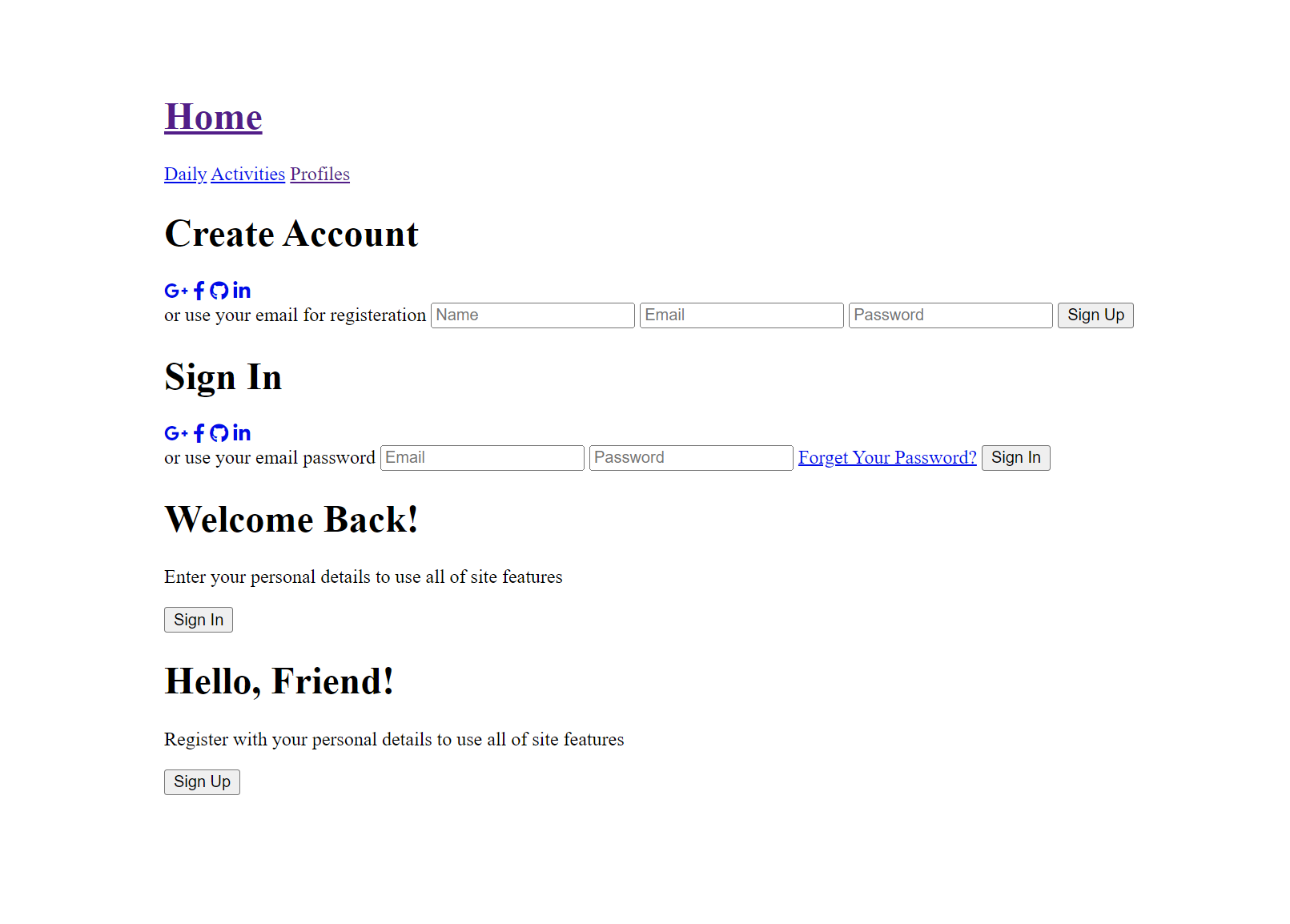
During our project of coding a blog, we learned that CSS is like the skin of a web page, without CSS a web page looks like the picture on the left but if we add CSS file to style the page, we obtain a result similar to the one on the right.

CSS, or Cascading Style Sheets, is a vital technology for web
development. It allows developers to separate content from design,
ensuring that websites are both visually appealing and functional. CSS
works alongside HTML and JavaScript to create the overall look and feel
of a web page.
With CSS, you can control the layout of
multiple web pages all at once. For instance, you can define styles for
text, such as font size, color, and spacing, as well as for other
elements like margins, borders, and backgrounds. This consistency in
design not only enhances user experience but also simplifies
maintenance.
One of the key features of CSS is the concept of
'cascading'. This means that styles can be applied in a hierarchical
manner, allowing for more flexibility and control. If there are
conflicting styles, CSS rules follow a specific order of precedence:
inline styles are given the highest priority, followed by internal
styles within a style tag, and finally external styles linked through a
separate CSS file.
Furthermore, CSS enables responsive
design, which is crucial for modern web development. Responsive design
ensures that websites look good on various devices, from desktops to
smartphones. This is achieved through media queries, which apply
different styles depending on the device's characteristics, like its
screen size.
In conclusion, CSS is an essential tool for web
developers, providing the means to create attractive, user-friendly, and
adaptable websites. Its ability to manage the presentation layer of web
pages makes it indispensable in the world of web development.
During our project of coding a blog, we learned that CSS is like the skin of a web page, without CSS a web page looks like the picture on the left but if we add CSS file to style the page, we obtain a result similar to the one on the right.